TOP

-
APPLY NOW
→
- 006 Dig in the Roman City of Sanisera
- 008 Digging Anthropology in the Sanisera Necropolis
- 010 Digging remains and Biological Anthropology in Sanisera
- 018 Advanced Osteological Analysis in the Roman Necropolis of Sanisera
- 050 GIS, AutoCAD & Digital Illustration in archaeology
- 053 Bioarchaeological fieldwork of an underground funerary crypt of the San Mateo Church
- 060 Lidar, photogrammetry, GIS & Claude AI to discover archaeological sites in the Pyrenees (Spain)
- 061 Archaeological Tour in Egypt: Giza, Saqqara, Luxor and a Nile cruise to Aswan
- 062 Zooarchaeology: classifying the domestic fauna of the Roman port of Sanisera, Menorca, Spain
- 063 Reconstruction of the ancient harbours of Menorca: GIS, LIDAR, bathymetry and underwater archaeology
- 064 Dig the Spanish Civil War & the medieval town of Belchite, Spain
- 065 Dig Eastern Mongolia: explore the world of ancient nomads
065: Dig Eastern Mongolia: explore the world of ancient nomads
What you will learn
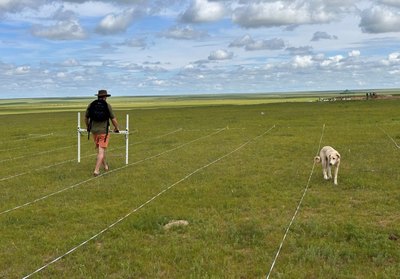
In the Fieldwork
- How to plan and carry out a systematic pedestrian survey.
- Geophysical survey on the steppe, and how its results guide the excavation.
- How to dig and which archaeological techniques are used.
- Basic principles of stratigraphy and recording of the excavation.
- Basic procedures for sample collection, including flotation of botanical samples.
- Recognition of Xiongnu-period finds.
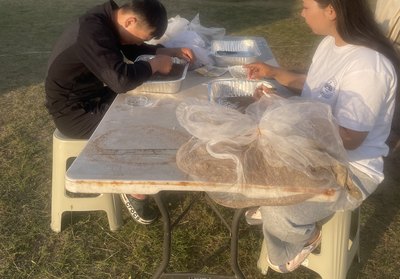
In the Laboratory
- Sorting, cleaning and recording of the artefact collection.
- Sorting and preparation of botanical and faunal samples.
- Typology of artefacts.
- Planning and analysis of the survey data.
Theory
- Archaeology of mobile societies.
- Archaeological and historical perspectives on the Xiongnu, the first nomadic state.
- Archaeology of Mongolia.
- Archaeology of settlement sites in the nomadic world.
