

 061: Archaeological Tour in Egypt: Giza, Saqqara, Luxor and a Nile cruise to Aswan

What you will learn ?
On the visits
- How the pyramids were built: evolution from the mastaba and the step pyramid to the smooth-sided pyramids of Dahshur and Giza; quarries, ramps, transport and finishing of the stone; current state of the scientific debate.
- Organization of a royal funerary complex of the Old Kingdom: pyramid, mortuary temple, causeway, valley temple and cemeteries of courtiers.
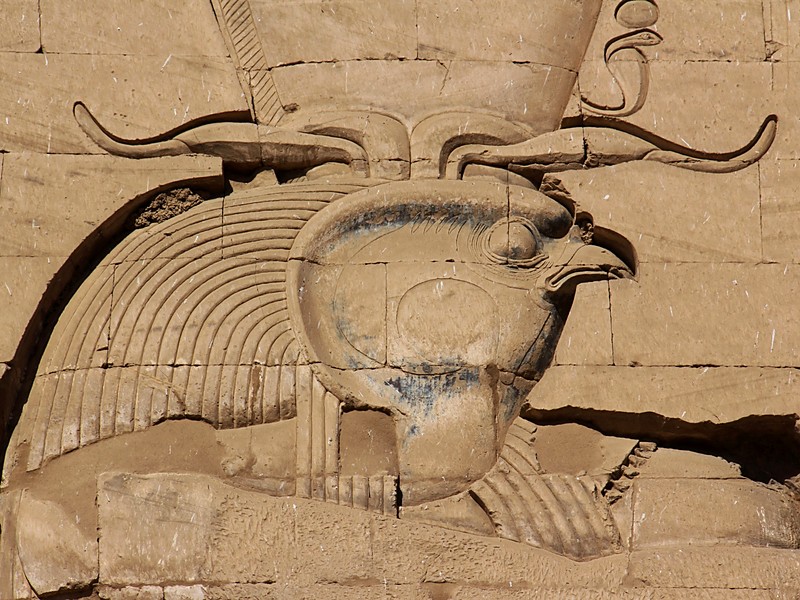
- Reading an Egyptian temple: pylons, courtyards, hypostyle halls and sanctuary; differences between the temples of the New Kingdom (Karnak, Luxor) and those of the Ptolemaic period (Dendera, Edfu, Kom Ombo, Philae).
- Funerary archaeology of the New Kingdom: structure of the tombs in the Valley of the Kings, decorative programs and funerary texts, ancient looting and modern discoveries, with the case of Tutankhamun as an example.
- Relief, painting and statuary: conventions of representation, carving and polychrome techniques, and how to distinguish periods and styles on the monument itself.
- Applied hieroglyphic writing: recognition of royal cartouches, titularies and offering formulae on the walls of temples and tombs.
Theory
- Introduction to the history of Egypt from the Predynastic period to Roman and Christian Egypt: chronology, dynasties and main events.
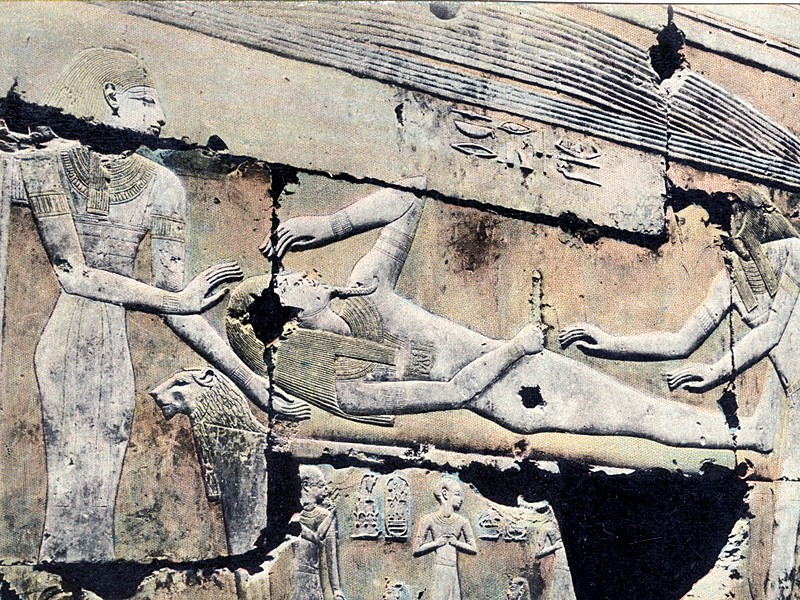
- Religion and funerary thought: the main gods, the cult of Osiris, divine kingship and the conception of the afterlife that explains tombs and temples.
- The Nile as the axis of the territory: agriculture, communications, cities and necropolises along the valley.
- History of Egyptology: from the Napoleonic expedition and Champollion to Mariette, Carter and the current missions; how the collections of the Cairo museums were formed.
- Egypt and the Mediterranean: contacts with the Greek and Roman world and the survival of Egyptian cults in late antiquity.